


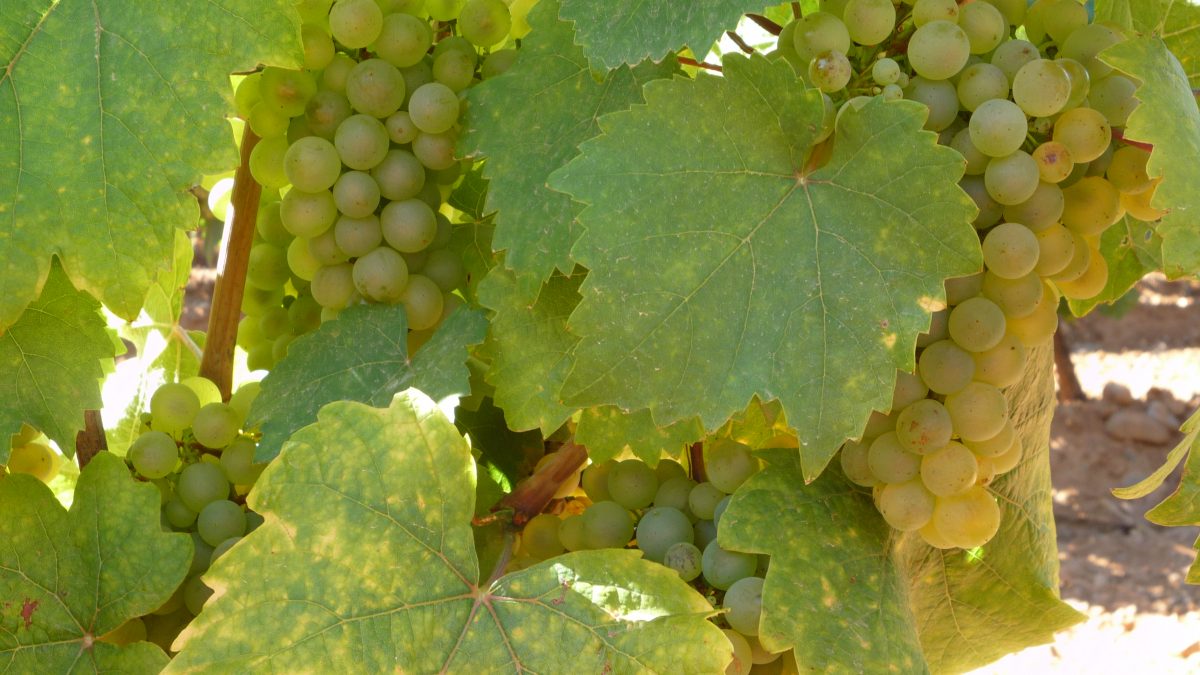
The intense and prolonged summer heat will not significantly affect the vines’ yield, which have so far remained free of pests, and will allow for healthy, quality grapes
A batch of grapes of the white Albarín variety, logged into the winery on 19 August, marks the start of the 2026 harvest for the Regulatory Council of the León Designation of Origin, an extraordinary advance of almost three weeks (exactly 19 days) over the already early picking dates of 7 September in the two previous campaigns, within the historical calendar of the winegrowing area of the south-southeast of the province of León and the north of Valladolid.
The Pincerna winery (Grajal de Campos), which also has vineyards in Gordoncillo, in the southernmost part of the León Designation of Origin, was this time ahead of all the others located around the Cea riverbank, where the vine’s vegetative cycle traditionally runs seven to ten days ahead of the vineyards in the Valdevimbre area and even those of Los Oteros.
However, the harvest will probably not become widespread until the first days of next week. Both independent growers and the wineries with the largest vineyard holdings are waiting for the announced drop in temperatures and, above all, for the forecast rain, which would curb the dehydration of the grapes and the reduction of their size, and would bring them balance. Even so, they will need to stay alert to conditions that could lead to the possible appearance of fungal diseases, such as the dreaded powdery mildew and downy mildew.
In any case, this extraordinary earliness is the consequence of the weather conditions that are defining an undeniable climate change, with extremely high temperatures during July and so far in August, and a clear reduction in the thermal contrast between the days and excessively tropical nights, something unusual in this territory that in the past acted as a favourable factor in slowing the ripening of the grapes and giving them an added freshness, so characteristic of the wines made mainly from the Albarín and Prieto Picudo varieties.
As happened in the 2025 harvest, the abundant winter and spring rains had created excellent moisture reserves around the plant’s roots, initially preventing the worrying water stress of the vine, at least until the veraison of the bunches and the first phase of grape ripening, which had developed in a staggered and orderly way.
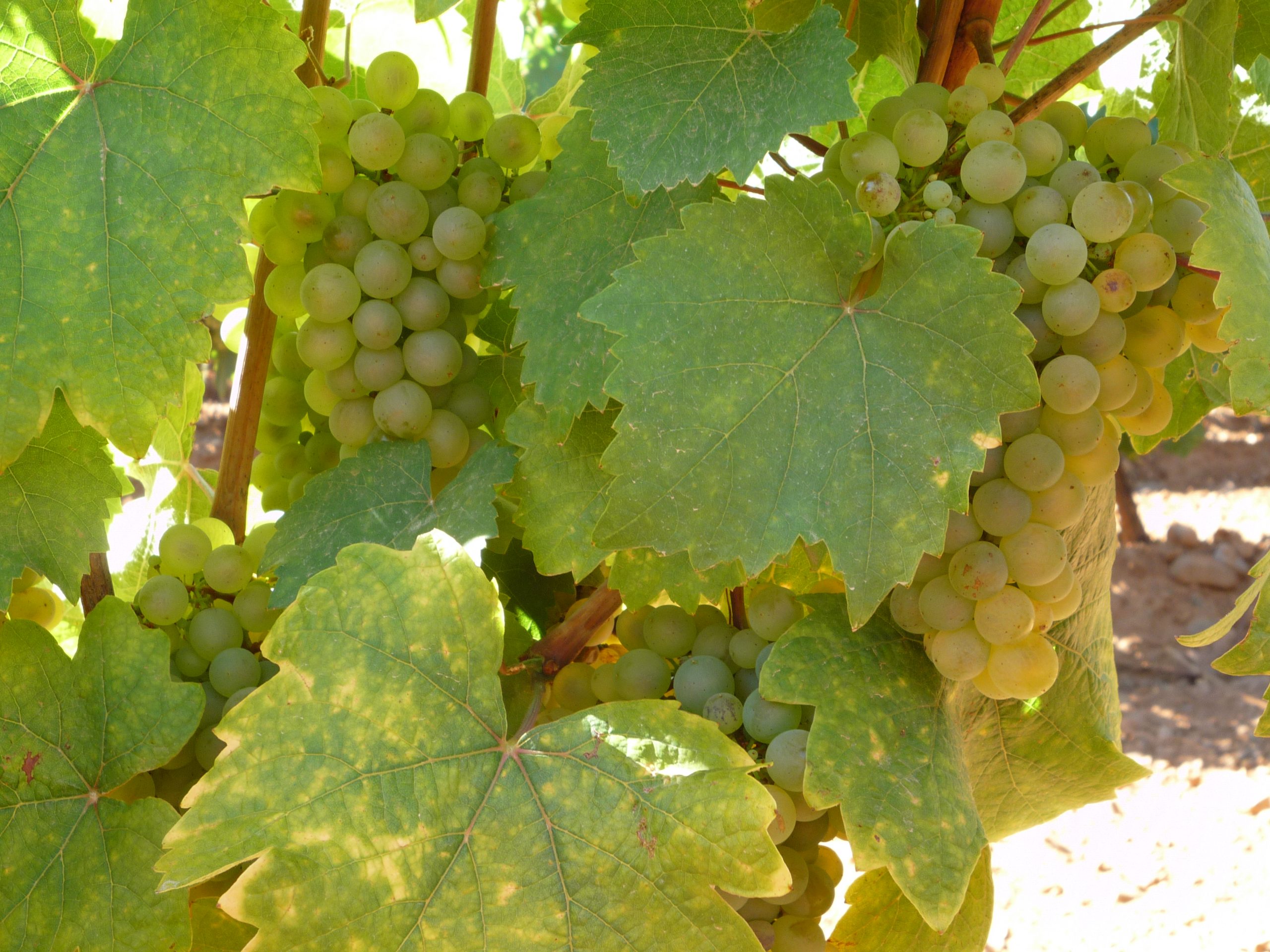
However, and as also occurred in 2025, that heat and the notably dry environment had prevented the appearance and spread of pests. And since there was also no major damage from hail, apart from that of 28 April, very much concentrated in the far north of the Valdevimbre vineyard area, the grapes today show optimal sanitary conditions, with excellent balance in the basic parameters, an outstanding skin-to-pulp ratio, highly decisive for the quality of the wines, and a good load of bunches, especially in the case of the Albarín variety, which is easier to work with.
Given this situation, the forecast of the Regulatory Council’s technical department, and bearing in mind that most of the registered vineyard (almost 94%) is trained on trellises, which allows for precise harvesting in terms of ripeness and a very orderly sequence, is that the harvest could close, always depending on weather conditions, at the end of September, with an estimated production of around three million kilos, matching the previous campaign, or perhaps slightly more thanks to the growing contribution and good load of bunches from the Albarín vines.


Follow Us